Insights

New!

Best Workplace Mental Health Platforms UK (2026)

A comparison of the main workplace mental health platforms available to UK employers in 2026, including Champion Health, Unmind, Headspace for Work, Calm Business, YuLife, JAAQ and Health Assured. Sets out what each provider actually delivers, the type of employer it suits, how each sits alongside or replaces an EAP, and the criteria to weigh up when selecting one.

Workplace Mental Health Support in Ireland: Beyond the EAP

A practical guide for Irish employers on building mental health support that works alongside an EAP rather than relying on it. Covers duties under the Safety, Health and Welfare at Work Act 2005, what an EAP does and doesn't cover, why self-referral means support often starts late, how to use workforce-level risk data to intervene earlier, and how to structure referral pathways into an EAP or occupational health.

Performance is not a measure of capacity

High performance can mask burnout risk in neurodivergent employees. Learn why capacity, not performance, is the metric HR leaders are missing.

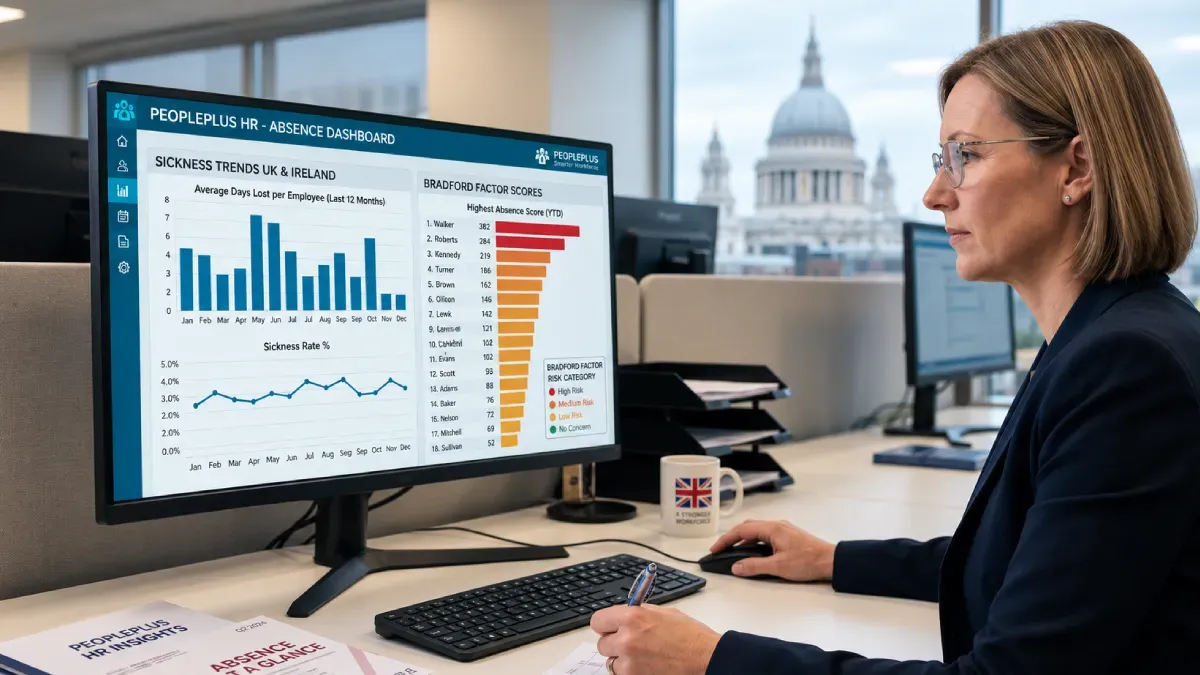
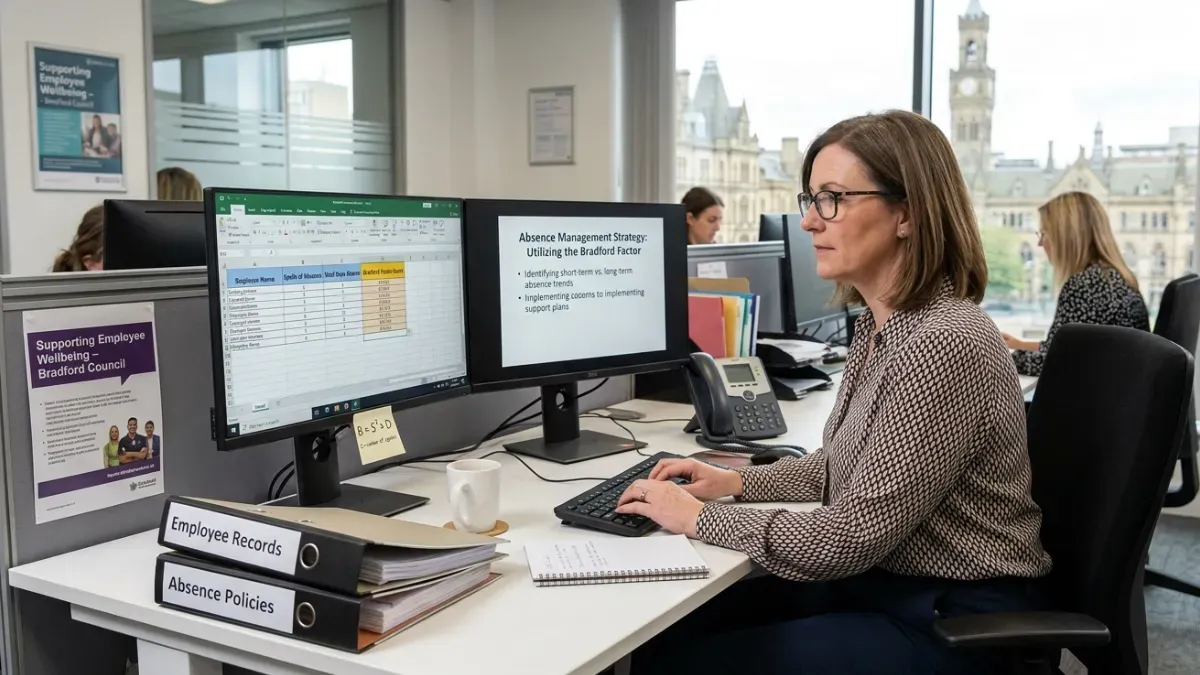
Bradford Factor & Absence Management Software: A Prevention-First Buyer's Guide (UK, 2026)

Bradford Factor tools tell you which absence patterns to flag, not why they're happening. This guide explains how the scoring works, how UK employers set trigger thresholds defensibly, what e-days and GoodShape do and don't cover, and how a prevention-first layer identifies risk before employees take time off.

Corporate Wellness Software for HR Teams: A UK Buyer's Guide (2026)

Corporate wellness software gives HR one system to assess employee needs, direct people to support and measure whether programmes work. This guide sets out the 2026 business case using UK absence and mental health data, then compares the main platforms on features, pricing and reporting.

How Digital MSK Triage Reduces Sickness Absence Through Early Intervention

Work-related musculoskeletal disorders accounted for 7.1 million lost working days in Great Britain in 2024/25. Much of that is avoidable: minor MSK symptoms turn chronic while employees sit on GP and physiotherapy waiting lists. This guide explains how digital MSK triage shortens time to treatment, why clinician-reviewed triage — where a registered physiotherapist checks every completed assessment — offers a safeguard that autonomous routing does not, and how HR can estimate the return using absence and time-to-treatment data they already hold.

Best mental health apps for individuals UK (2026)

No single mental health app suits everyone — some focus on meditation, others on mood tracking, CBT or broader wellbeing support. This guide compares the leading UK options for individuals in 2026 on what they actually do, what they cost, and who each one is right for.

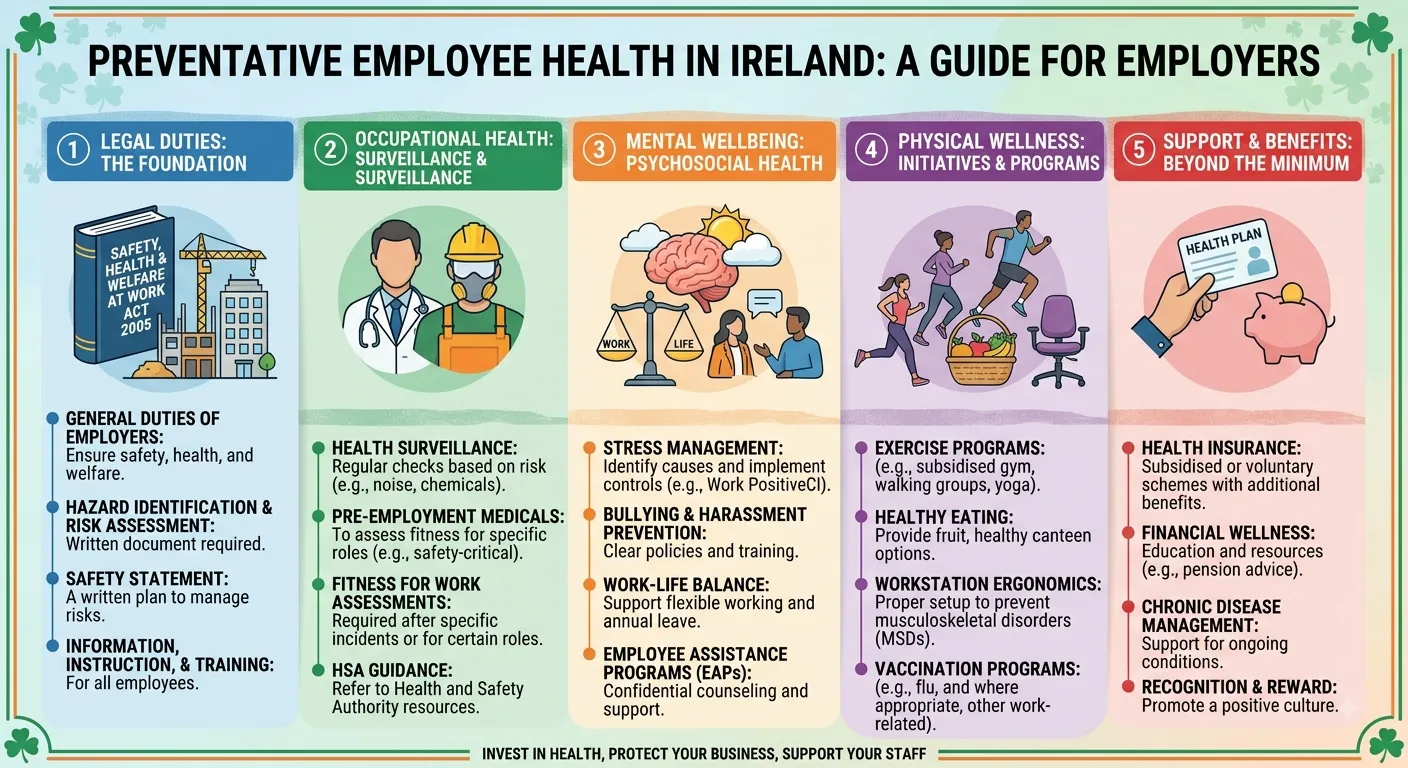
Preventative Employee Health in Ireland: A Compliance-First Guide for Irish Employers

Irish employers have a legal duty to protect employee health under the Safety, Health and Welfare at Work Act 2005, and that duty covers psychological as well as physical harm. This guide explains where compliance starts, why a safety statement alone won't reveal emerging mental health and musculoskeletal risk, and how preventative health platforms help you identify cohort-level risks earlier and direct people to the right support.

Best Occupational Health Software UK (2026)

A practical 2026 guide to the best occupational health software in the UK. Compare platforms across case management, health surveillance, compliance and reporting — including where administration-focused tools fit and where prevention-led platforms like Champion Health add value, so you can choose the right system for your workforce.

Distressed woman holding her head, illustrating the difference between stress and anxiety

Stress vs Anxiety: What's the Difference?

Confused about stress vs anxiety? Compare triggers, signs of stress and anxiety, and practical steps to manage both, day to day.

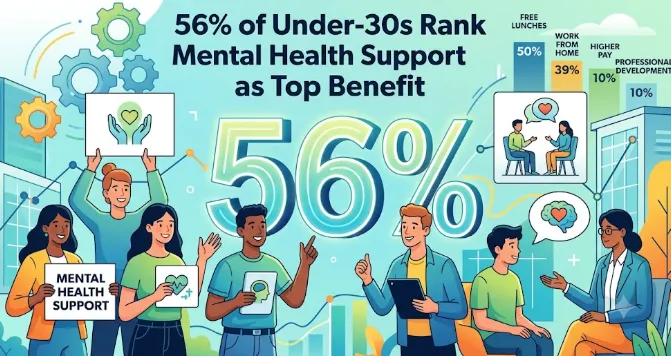
Illustration showing mental health support as key to retaining young workers, valued by 56% of under-30s

Why Mental Health Support Is Now the Benefit That Decides Retention

New research shows 56% of under-30s rank mental health support as their most valued workplace benefit — nearly double the 37% of over-50s. With 47% of employees factoring it into whether they join or stay, mental health support has become a retention issue, not a perk. This article breaks down the generational split, why crisis-triggered support leaves employers exposed, and what prevention-first support looks like in practice.

Colleagues listening during a team meeting, representing support for people who mask at work

Masking is Invisible Work

Masking is exhausting invisible work for many neurodivergent employees. Learn how to notice it, and what colleagues and organisations can do to help.

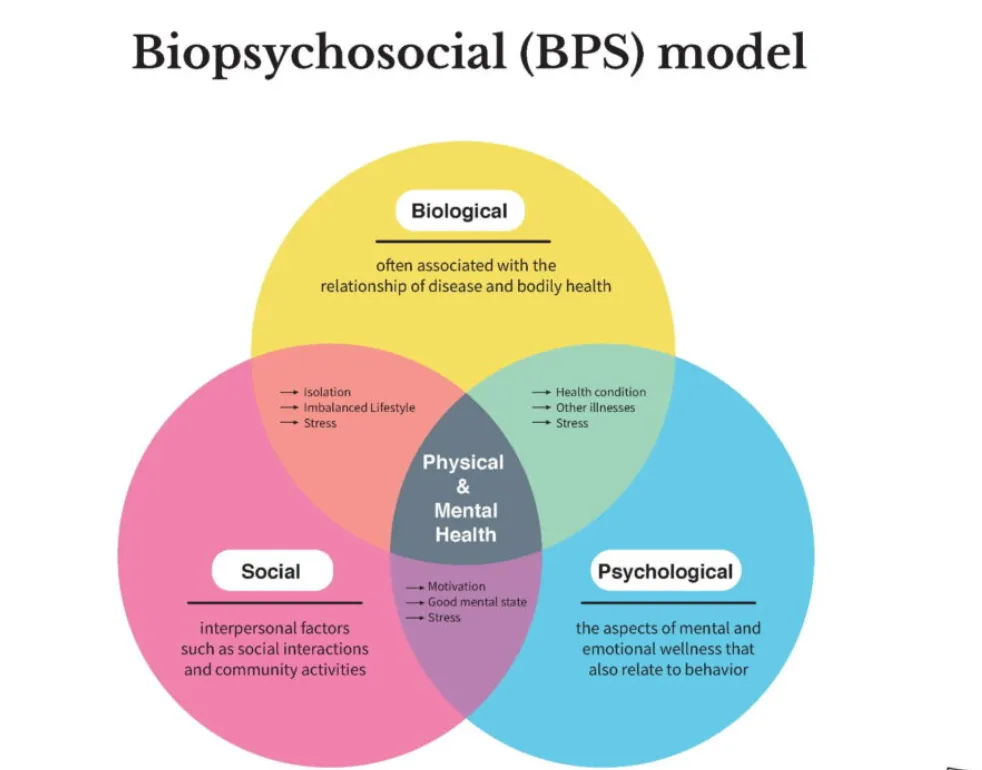
Venn diagram of biological, psychological and social factors in the workplace rehabilitation model

The Biopsychosocial Model: Why Workplace Rehabilitation Needs to Treat the Whole Person

The Biopsychosocial Model: Treating the Whole Person at Work

Employee speaking by phone in an office, showing why EAPs alone are not enough to support mental health

Why EAPs Alone Aren't Enough to Support Employee Mental Health

EAP utilisation sits in single digits despite near-universal coverage. See why prevention-first risk data makes existing EAP investment work harder.

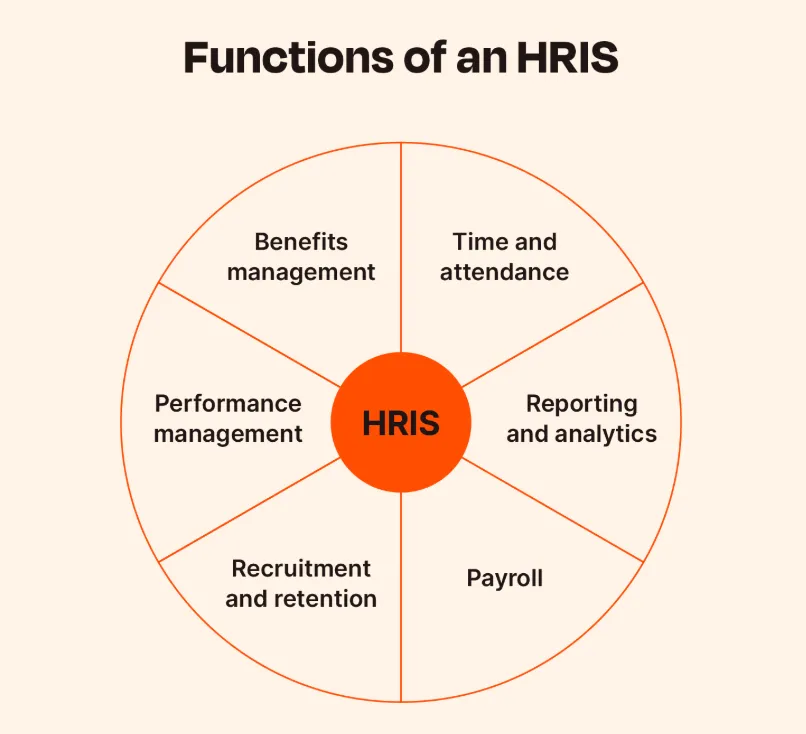
Diagram of HRIS functions supported by HR system integrations, from payroll to benefits and analytics

Champion Health HR System Integrations: How Champion Health Fits Your HR Tech Stack

Champion Health integrates with your HRIS, but not through a catalogue of pre-built connectors. Every integration is scoped to the individual customer, built against your specific stack and the data you actually want to move. This article explains how those integrations work, what data flows in, and how it powers tools like the 90-Day Workforce Risk Assessment.

Absence Management Software UK: Buyer's Guide (2026)

A practical buyer's guide for UK HR and People teams choosing absence management software in 2026. Most tools administer absence after it happens — logging sickness, scoring the Bradford Factor and triggering return-to-work workflows. This guide shows why that only solves half the problem, and how a prevention-first platform tackles the root-cause health risks driving your sick days.

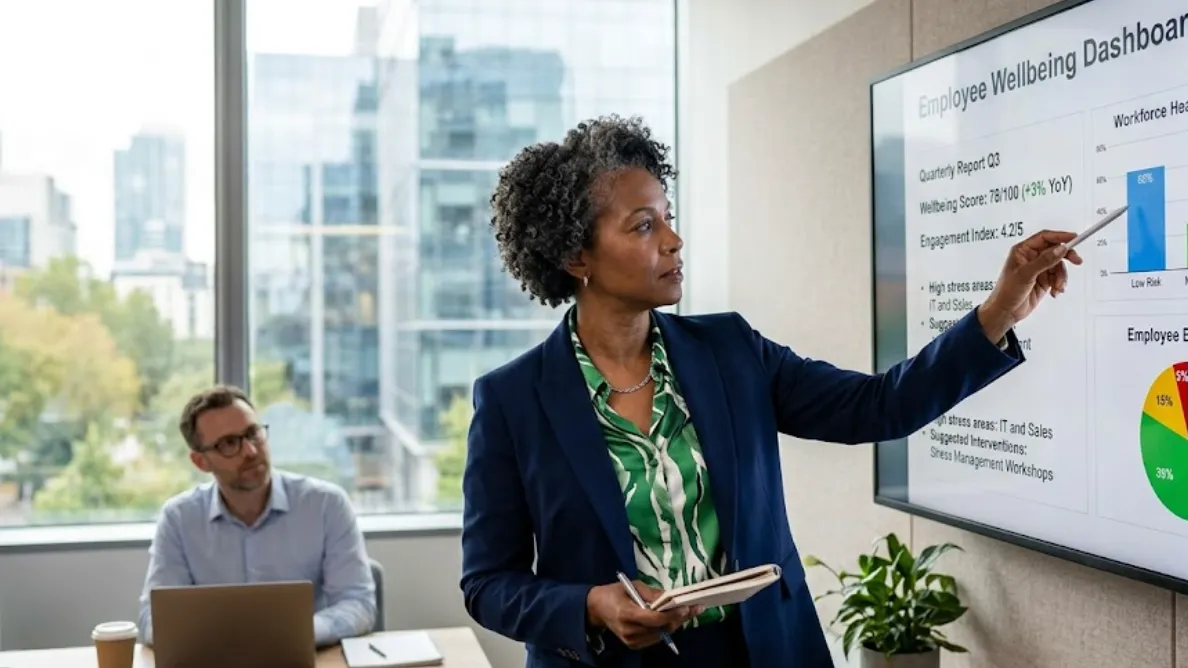
HR leader presenting an employee wellbeing dashboard to guide employer investment during the wellness boom

The Wellness Boom: What Employers Should Actually Invest In

The UK wellness industry is booming — worth £97bn in 2025 and forecast to hit £140bn by 2033 — and your employees are already spending on supplements, wearables and biohacking. But most of that spend is unregulated, consumer-led and unmeasured. This article shows HR and People leaders how to channel that demand into something clinical, evidence-based and measurable: preventative workplace health that actually reduces risk and absence.

HR leader reviewing workforce data during a 90-day workforce health risk assessment

90-Day Workforce Health Risk Assessment

90 day Workforce Risk Assessment

Stressed employee at a laptop, illustrating the impact of AI on workforce wellbeing for HR leaders

AI and the Future of Employee Wellbeing: A Guide for HR Leaders

How AI adoption affects workplace mental health, and how HR leaders can manage the risk without losing the productivity gains. A practical guide.

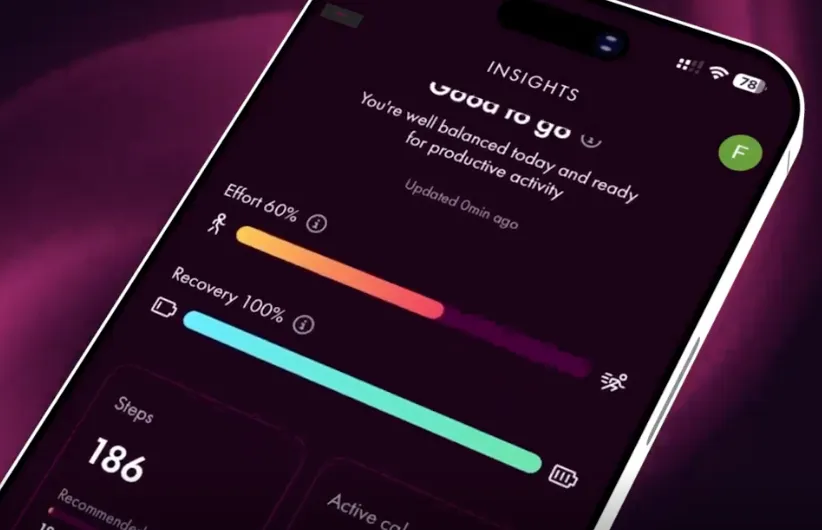
Smartphone displaying My Insights data on daily effort, recovery and physical activity

My Insights: Your Daily Effort, Recovery and Readiness Scores

Champion Health Insights: Turning data into meaningful change for your wellbeing

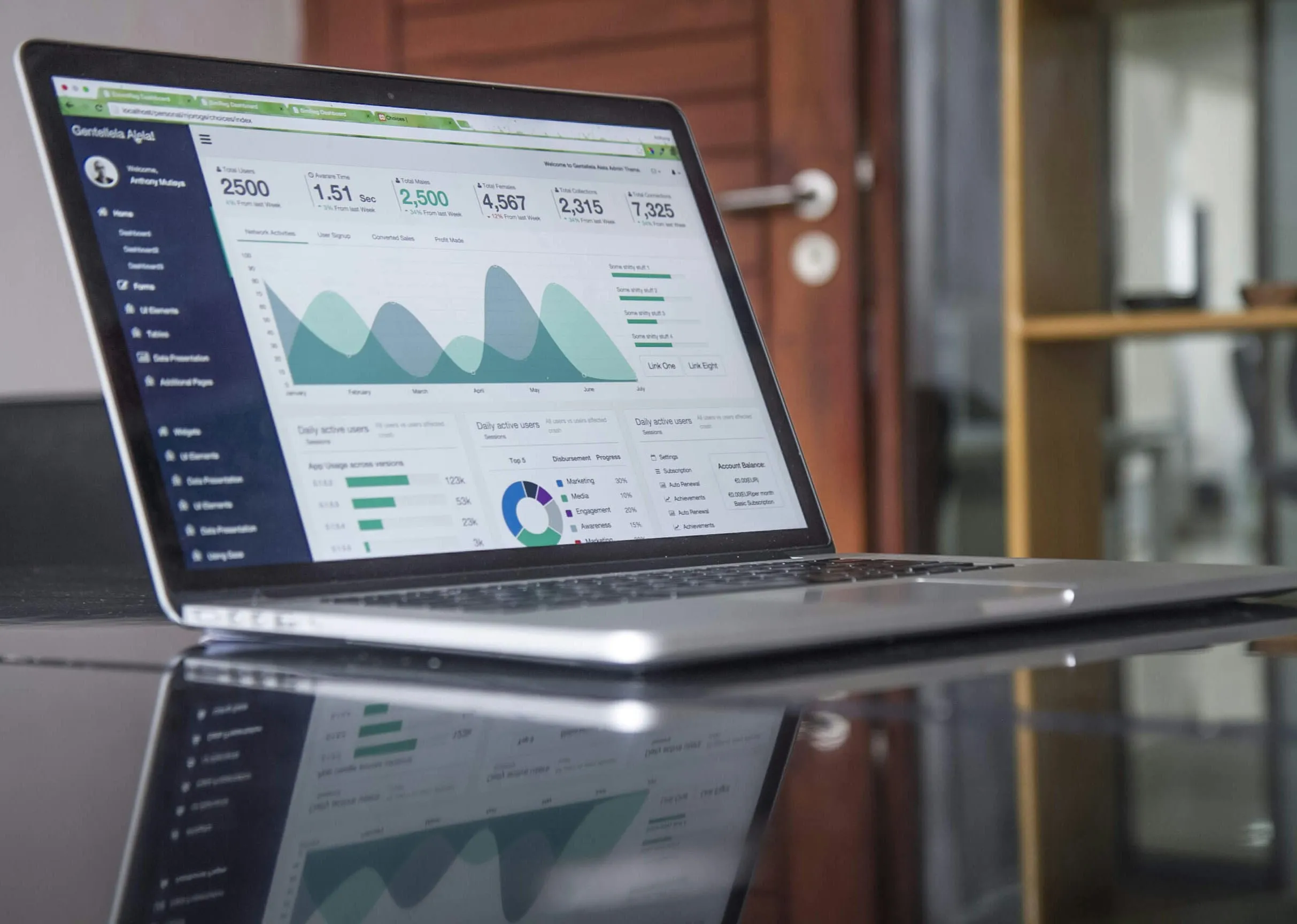
Laptop displaying workforce health data for a UK employer’s 90-day health risk assessment

Health Risk Assessments for Employers: The Complete UK Guide

Workplace health assessments

Employee with neck pain at her computer, representing workforce health risks that wellbeing data may fail to reveal

Why Your Wellbeing Data Isn't Telling You Where Workforce Health Risk Is Building

Most organisations have more workforce health data than ever before, yet still struggle to identify where health risk is actually building. This article explores why absence reports, engagement surveys, EAP utilisation and occupational health referrals are all lagging indicators, and explains the difference between workforce health data and workforce health intelligence. It demonstrates how cohort-level risk visibility enables organisations to identify emerging mental health and musculoskeletal risk before it becomes absence, helping leaders target prevention investment where it will have the greatest impact.

Diagram showing how UK absence management software automates sickness reporting and manager tracking

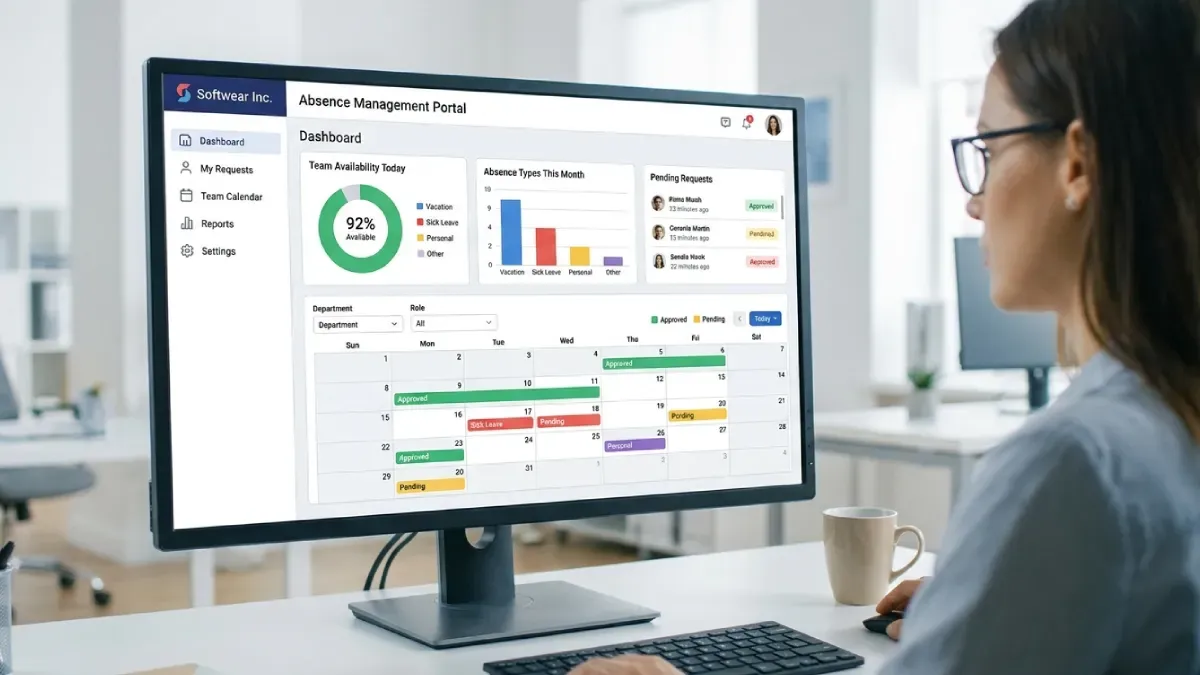
Absence Management Software for UK Employers

Sickness Absence Management Tools

Person using a smartphone, representing what a wellbeing app can and cannot do for mental health

What a Wellbeing App Can and Can't Do for Your Mental Health

Mental health apps work. Research shows they reduce anxiety, stress, and depression, and they work best alongside movement, connection, sleep, and good habits. Here's how.

HR team reviewing productivity data to measure the cost of presenteeism in a UK workplace

How to Measure Presenteeism and Calculate Its True Cost: A Guide for UK HR Leaders

How to Measure Presenteeism

Illustration of an empty desk on a sick day, highlighting a prevention-first approach to reducing UK employee absence

How to Reduce Employee Absence: A Prevention-First Guide for UK Employers (2026)

Employee absence

Woman walking outdoors at sunset, showing movement as medicine for better mental health

Movement as Medicine: Why Physical Activity is a Mental Health Intervention

Movement is one of the most effective mental health tools available. Here's why physical activity belongs in your mental health strategy, not your fitness plan.

Employers reviewing an implementation plan for the Keep Britain Working recommendations

How to Implement the Keep Britain Working Review

From recruitment to return to work, here is what the Keep Britain Working review actually expects of employers, and the practical steps to meet it before it becomes mandatory.

Business leaders discussing employer responsibility for employee health under the Keep Britain Working agenda

What the Keep Britain Working Review Means for Employers

Sickness absence is at a 15-year high and costs employers £85bn a year. Here's what the Keep Britain Working review means for your organisation.

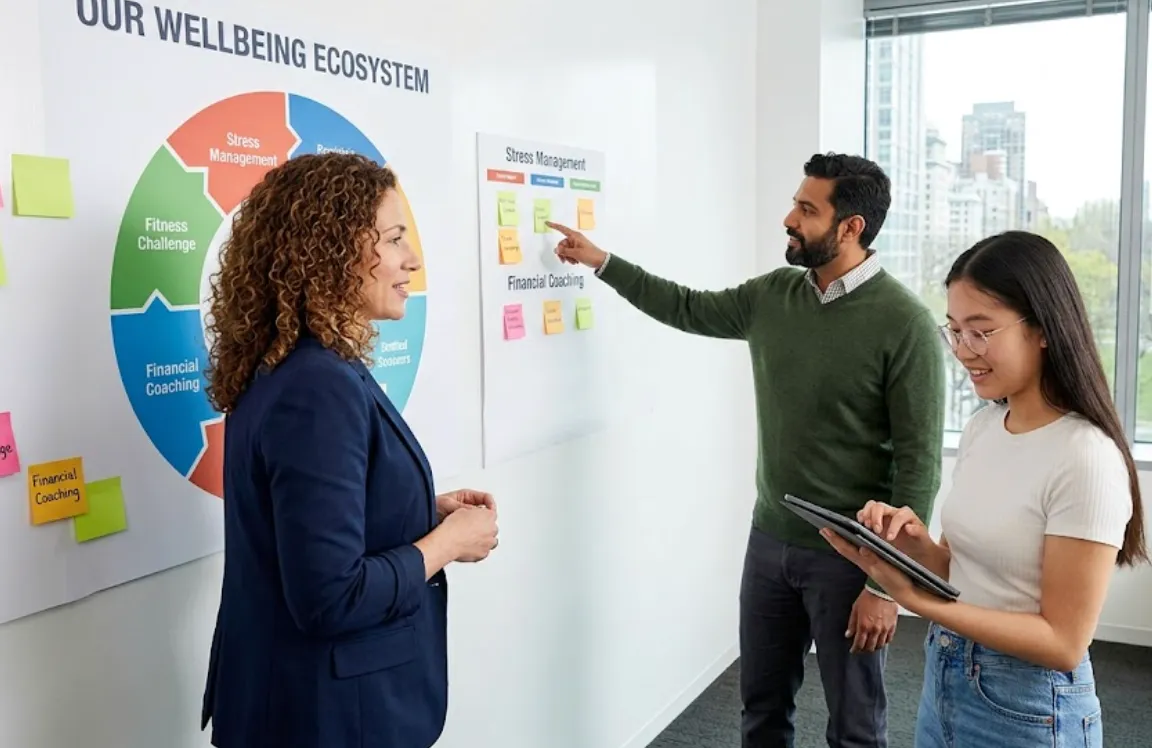
Team planning UK employee wellbeing solutions across stress, fitness and financial support

Employee Wellbeing Solutions UK: A Buyer's Guide for HR Leaders

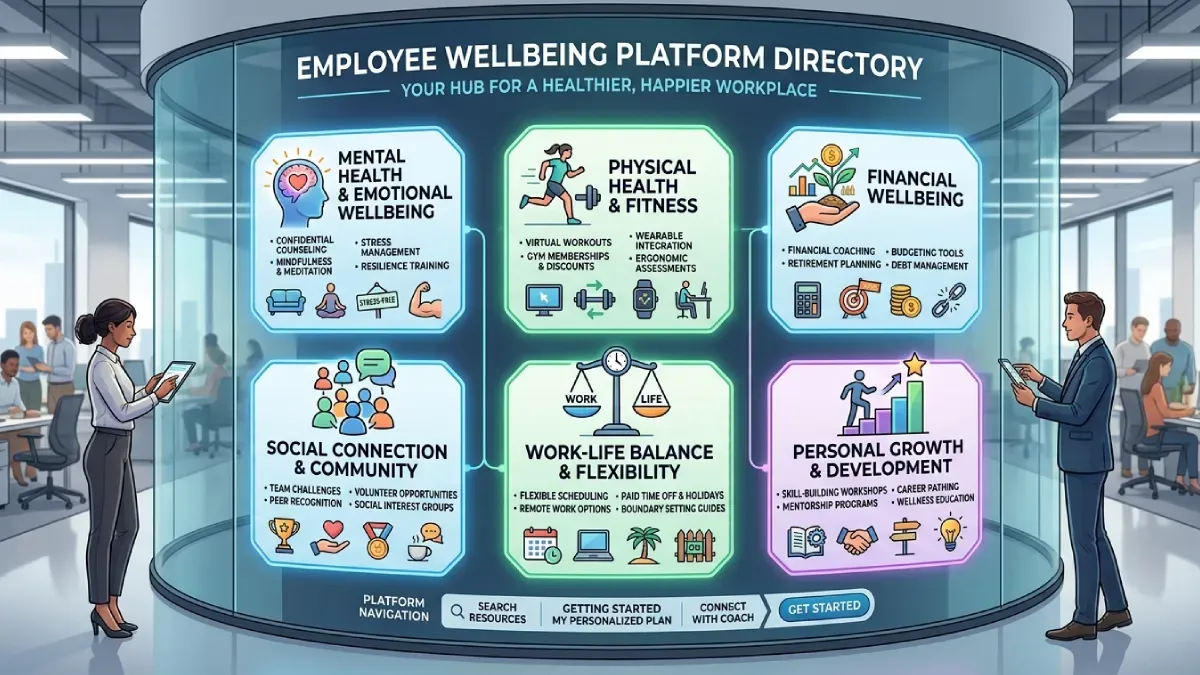
Employee wellbeing solutions are the services and platforms employers use to support staff mental, physical and financial health, ranging from EAPs and occupational health to digital wellbeing platforms. This guide compares the main types, explains what each is best for, and sets out how HR leaders should evaluate providers on coverage, engagement, data and return on investment in 2026.

Employees joining a workplace yoga session organised through a UK corporate wellness programme

Best Corporate Wellness Programs UK (2026): A Buyer's Guide

Corporate Wellness Programmes

Line chart representing the shift from workplace wellbeing initiatives to measurable impact and meaningful outcomes

From Initiatives to Impact: Making Workplace Wellbeing Actually Count

Most wellbeing programmes measure activity, not outcomes. Here's how to build a measurement framework that starts with risk and ends with evidence.

Mental health spelled out in letter tiles, showing why workplace awareness alone is no longer enough

Why Mental Health 'Awareness' Isn't Enough Anymore

HSE data shows 964,000 UK workers experienced work-related stress in 2024/25. Here's why awareness days aren't moving the numbers, and what actually does.

Employees connecting in a workplace wellness hub supported by an employee mental health platform

Employee Mental Health Support Platform

Employee Mental Health Support Platform | Champion Health

Concerned employee at her desk, illustrating how to identify workforce health risks before they lead to absence

How to Identify Workforce Health Risk Before It Becomes Absence

This article explores why absence data alone cannot prevent workforce health issues and highlights the leading indicators that reveal risk before employees go off sick. Learn how organisations can identify emerging mental health and musculoskeletal risk earlier, target interventions more effectively, and build a prevention-first approach to workforce health.

Hand stacking wooden blocks, symbolising self-management as a core leadership issue

Why Self-Management Is a Leadership Issue, Not an Individual One

Self-management fails when organisations treat it as an individual problem. Leadership decisions and organisational design are the real drivers of prevention

Doctor discussing a health assessment, representing preventative platform and occupational health integration

How a Preventative Wellbeing Platform Strengthens Your Occupational Health Programme

Learn how a preventative platform identifies workforce health risk early, reduces OH referral volume, and makes your existing OH investment work harder

Employee experiencing neck and back pain at her desk, highlighting the need for prevention in workforce health strategies

Why Prevention Is Missing From Most Workforce Health Strategies

Why do so many workforce health strategies remain reactive despite growing wellbeing investment? This article examines the hidden gap between emerging risk and clinical intervention, and explains why organisations need workforce risk intelligence to identify risk early, prevent at scale, and reduce costly absence before it occurs.

Employees meeting to discuss closing the prevention gap in workplace mental health spending

The Prevention Gap: Why Workplace Mental Health Spend Isn't Working

UK employers keep increasing mental health spend, yet absence keeps rising. Here's why reactive tools fail and what a prevention-first strategy looks like.

Senior leader speaking with an employee to promote psychological safety at work

Psychological Safety at Work: What Senior Leaders Need to Know

Only 26% of leaders create psychological safety at work. Learn what it really means, what it isn't, and how senior leaders can build it before it becomes a crisis.

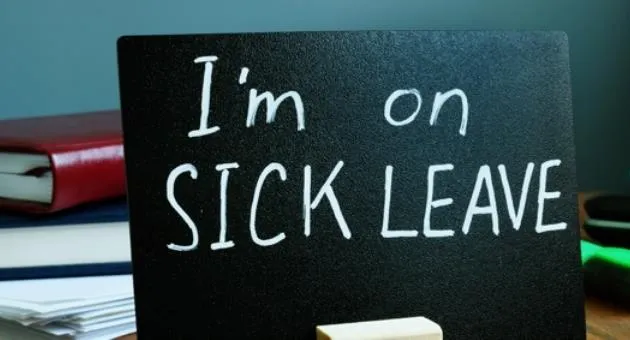
Sign reading “I’m on sick leave”, representing the UK workplace absence crisis and HR prevention strategy

The UK Workplace Absence Crisis: A Prevention Strategy for HR

UK organisations lost 148.8 million working days to sickness and injury in 2025, with mental health and musculoskeletal conditions responsible for the majority of long-term absence. This article explores why traditional absence management is no longer enough and how organisations can use workforce risk intelligence to identify emerging health risks, target prevention efforts and reduce future absence before it occurs.

Employee using a tablet to access the Champion Health digital employee benefits hub

How to Use Champion Health as Your Employee Benefits Hub

How to Use Champion Health as Your Employee Benefits Hub

HR director reviewing a menopause action plan designed to help employers support staff

Menopause Action Plan for Employers: A Step-by-Step Guide

Menopause Action

Stressed employee using her phone beside a computer, representing UK employee stress management software

Best Employee Stress Management Software & Platforms (UK, 2026)

Stress management

Employee using a mental wellbeing app featured among Germany’s best employee wellbeing platforms in 2026

Best Employee Wellbeing Platforms in Germany (2026)

German apps

Person using a smartphone, representing the best wellbeing apps available in the UK

Best Wellbeing Apps UK (2026): Honest Reviews & Top Picks

Best Wellbeing Apps UK (2026): Honest Reviews & Top Picks

Person using a wellbeing app to view healthy recipe ingredients while preparing tomatoes at home

Wellbeing App for Individuals: Champion Health Personal Subscription

CH PLG

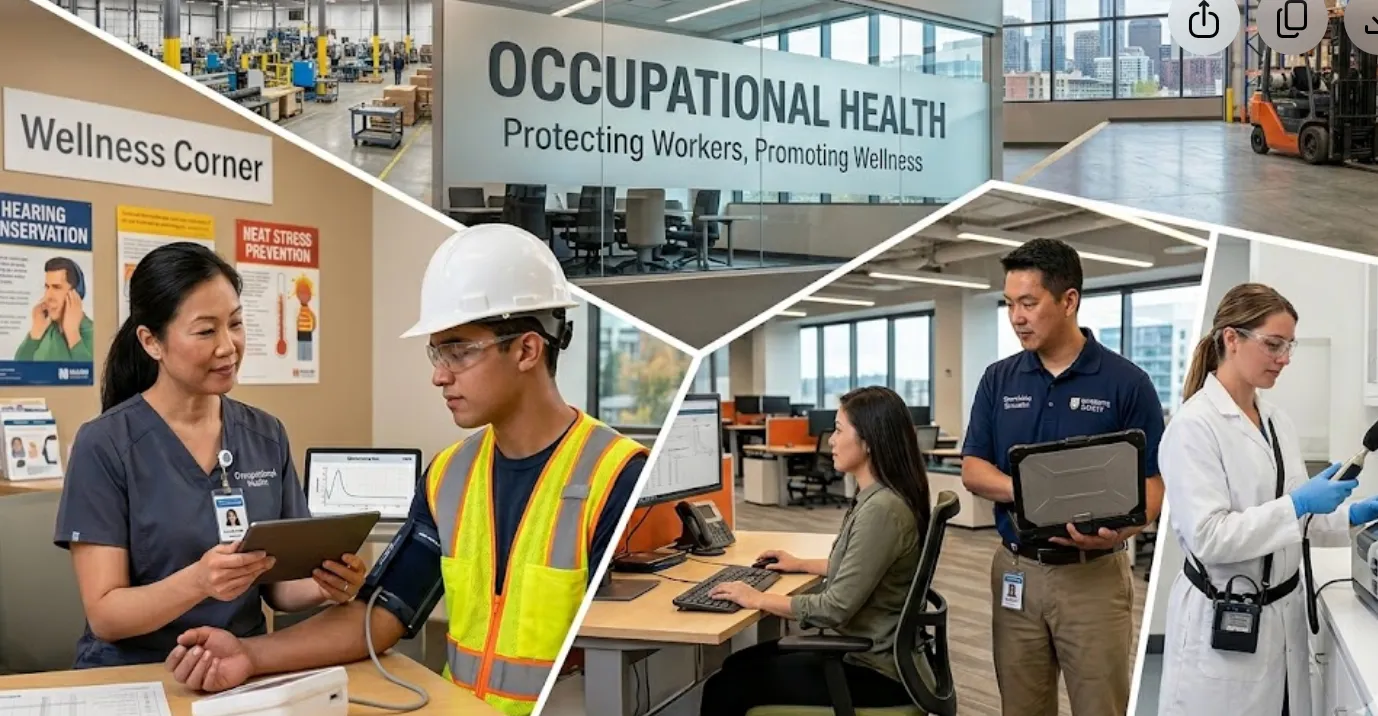
Collage of occupational health professionals supporting workers through UK workplace health platforms

Best Occupational Health Platforms for UK Businesses (2026): MSK, Mental Health & Compliance

Best Occupational Health & Compliance solutions

Hands holding a yellow flower, symbolising employee wellbeing platforms for UK remote and hybrid teams

Best Employee Wellbeing Platforms for Remote and Hybrid Teams, Including Startups and the Tech Sector (UK, 2026)

Best Remote Platform for starts ups and the tech sector

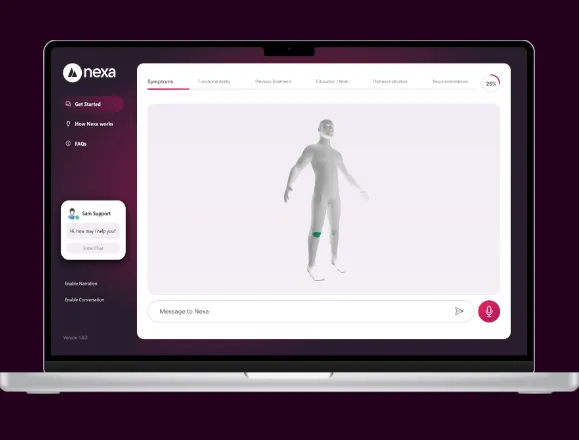
Laptop showing a digital MSK triage platform for occupational health and insurer buyers

Digital MSK Triage for Occupational Health & Insurers: A Buyer's Guide

Digital triage

HR professional comparing options to choose an employee wellbeing platform in the UK

How to Choose an Employee Wellbeing Platform in the UK

How to choose employee wellbeing platform: the complete Uk buyers guide

Diverse team discussing workplace adjustments to support neurodivergent employees

8 Workplace Adjustments for Managing Neurodivergent Employees

Discover 8 practical workplace adjustments for managing neurodivergent employees. Learn how to support neurodivergent staff and help them succeed at work.

Team collaborating at a laptop beneath a neurodiversity graphic, highlighting its impact on productivity

Neurodiversity in the Workplace & Its Impact on Productivity

Explore how neurodiversity in the workplace shapes productivity, wellbeing, and retention. Learn the benefits and how to support a neurodiverse workplace effectively.

Concerned employee at a laptop, reflecting workplace mental health issues that HR often overlooks

7 Mental Health Issues in the Workplace HR Often Overlooks

Discover 7 common mental health issues in the workplace that HR teams frequently miss. Learn how to spot them early and what dealing with them actually looks like.

Colleagues discussing data on workplace mental health trends and risks in 2026

Mental Health in the Workplace: Trends & Risks in 2026

Explore the latest trends and risks of mental health in the workplace in 2026. Learn employer responsibilities and strategies for supporting mental health in your team.

Person holding cash, representing how to pick stocks properly when choosing individual investments

PART 5: If You're Going to Pick Stocks, Here's How to Do It Properly

Part 5 of our investing series. If you want to pick individual stocks, here's how to do it with discipline — including what to analyse, what to avoid, and how to manage risk.

Person stacking coins to illustrate how capital markets work and why boring investing wins

PART 4: How Capital Markets Actually Work (And Why Boring Wins)

Part 4 of our investing series. Learn how capital markets really function, why steady long-term strategies outperform, and why boring investing is often the best investing.

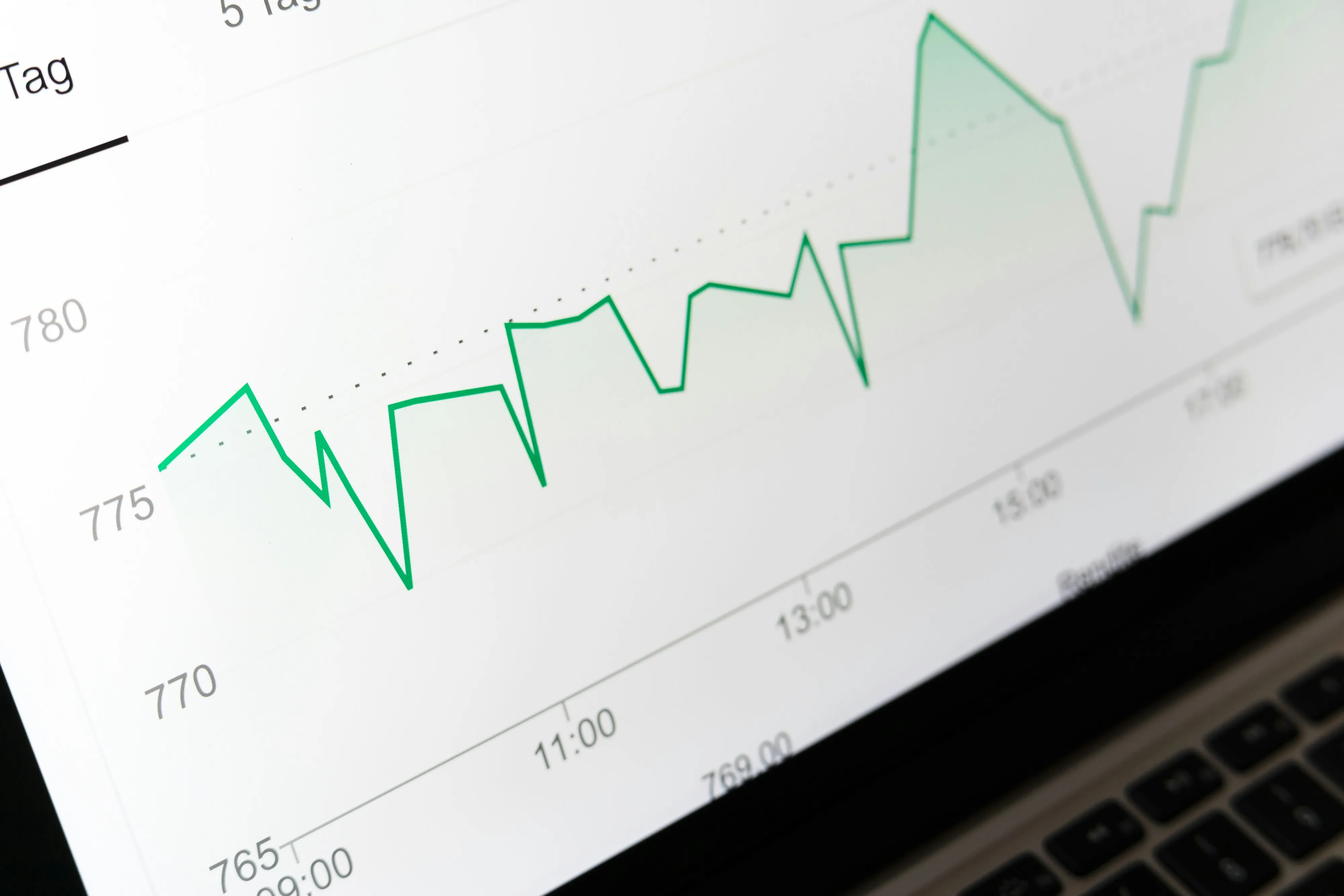
Laptop displaying financial charts, representing the common pitfalls of modern investing

PART 3: The Pitfalls of Modern Investing

Part 3 of our investing series. Avoid the most common traps — from chasing trends to overtrading — with expert guidance on building a smarter, more disciplined approach.

Professional reviewing financial data to identify the one money move that actually matters

PART 2: The One Move That Actually Matters

Part 2 of our personal finance series. Cut through the noise and discover the single financial move that has the biggest long-term impact on your financial wellbeing.

Coins and a growing plant illustrating the reality of balancing money in and money out

PART 1: The Reality Check (Money In, Money Out)

Part 1 of our personal finance series. Understand where your money is really going with a clear-eyed look at income, spending, and the habits keeping you stuck.

Anatomical spine model representing back pain hidden from workplace productivity numbers

Back Pain Isn't Showing Up in Your Productivity Numbers

Back pain is one of the most common reasons employees underperform — yet it rarely shows in productivity data. Here's what employers are missing and why it matters.

Group of people socialising outdoors, representing neurodiversity as a workforce-wide consideration

Neurodiversity Isn't a Minority Workforce Question Anymore

Neurodiversity affects a significant share of every workforce. Explore why this is now a mainstream people issue and what employers can do to build truly inclusive teams.

Colleagues stacking hands to show workplace belonging as a health indicator, not just a culture metric

Belonging is a Health Indicator, Not a Culture Metric

Belonging isn't just a culture goal — it's a measurable health indicator. Learn why employees who feel included have better wellbeing outcomes and lower absence rates.

Person using Champion Health’s app, one of the best employee wellbeing platforms in the UK for 2026

Best Employee Wellbeing Platforms in the UK (2026)

Comparing the best employee wellbeing platforms in the UK for 2026? See how Champion Health stacks up on features, data, personalisation, and measurable impact.

Unwell woman wearing a face mask, reflecting falling healthy life expectancy for UK and US employers

Falling Healthy Life Expectancy: What It Means for Employers

Healthy life expectancy is falling in both the UK and US. Discover what this trend means for workforce health, productivity, and how employers can respond now.

How to Spot Early Mental Health Signals in the Workplace

Mental health issues rarely announce themselves. Learn how to spot the early warning signs in your workforce and why early intervention is the most effective approach.

Employee taking a break from her laptop during an April spotlight on managing stress and burnout

Workplace Stress Is Getting Worse: Data & What Actually Helps

Workplace stress is rising. Champion Health data reveals the scale of the problem — and the evidence-based strategies that actually reduce burnout at work.

Workplace Health: You Can't Do It on Your Own

Workplace Health: You Can't Do It on Your Own

Discover from Dr Stephanie Fitzgerald how to empower every employee to be part of your organisation's mental health support system. Read on

Illustration of an overwhelmed employee amid speech bubbles, representing workplace conflict and the power of conversation

Workplace Conflict and the Power of Conversation

Understand how workplace conflict can be managed and resolved with 5 simple steps.

Illustration of colleagues talking together, showing why resilience is crucial for workplace health and wellbeing

Why Resilience Is Crucial for Workplace Health and Wellbeing

Resilience is vital for the wellbeing of those in your organisation. So, how can you build resilience in yourself as a leader and your colleagues? Find out now.

Illustration of a manager surrounded by emotions, highlighting why emotional intelligence is key for people managers

Why Emotional Intelligence Is Key for People Managers

Emotional intelligence for people managers is critical. But what does it mean, why does it matter and how can you nurture your emotional intelligence?

Illustration of colleagues speaking openly, representing psychological safety in the workplace

Who Is Responsible for Psychological Safety (and Why Is It Everyone?)

Psychological safety in the workplace isn't just a must-have for the health and wellbeing of employees, it's crucial for business health and success. In this article, we dive into the fundamentals of psychological safety and how to cultivate it at work.

Illustration of a woman using AI tools to support employee wellbeing while maintaining a human touch

When Technology Meets Human Touch: AI and Employee Wellbeing

AI is moving into wellbeing, so how can we ensure that we use it safely and effectively, while remaining human and empathetic?

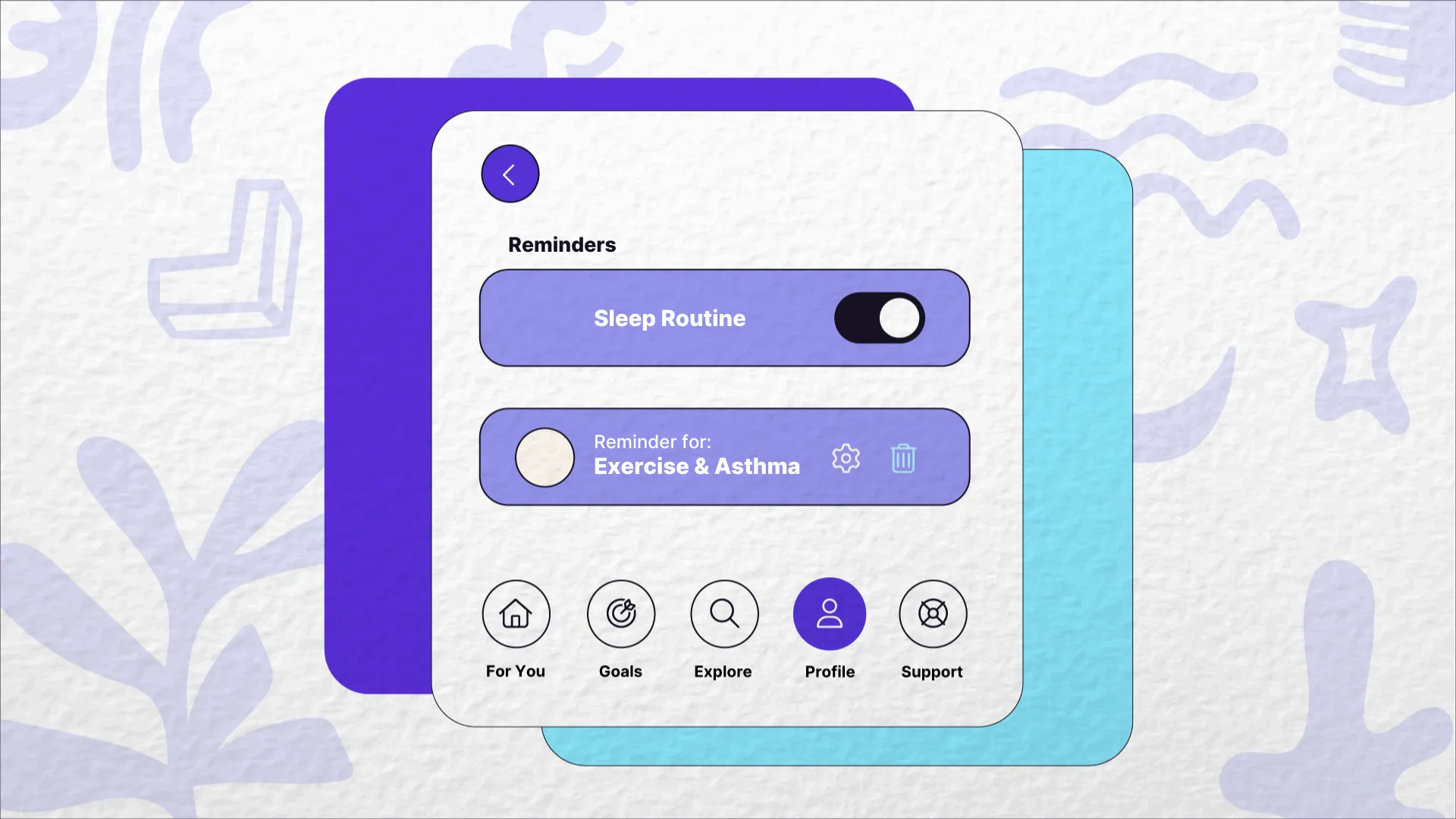
Illustration of a wellbeing app with sleep and exercise reminders for people leaders practising self-care

The People Leader’s Guide to Self-Care

Looking after a team of employee's can be challenging and taxing, so we have put together a few tips to help HR leaders care for themselves, too.

Illustration of colleagues having an open discussion, representing HR guidance on mindfulness at work

The HR Guide to Mindfulness at Work

Mindfulness is a vital tool in the modern working environmentDiscover how can you can encourage your people to practice mindfulness at work.

Illustration of a woman using a phone, representing the CLASS approach to supporting others

The CLASS Approach: How to Support Others

Unsure how to reach out and support the mental health of others? Follow the CLASS Approach and learn how to support those around you. Find out more.

Illustration of a distressed person surrounded by emotions, representing the CHAMPIONS framework for better mental health

The CHAMPIONS Framework: Improve Your Mental Health

Poor mental health is the single largest contributor to disease in the UK. Discover the Champions Framework and 9 steps you can take to achieve mental fitness.

Illustration of a distressed employee, highlighting mental health discussions during staff appraisals or one-to-ones

Talking about Mental Health in a Staff Appraisal or 1:1

Talking mental health in a staff appraisal can be a great way to support your team. But your culture must be supportive first. Learn more.

Illustration of a hand and smartphone representing how to start a conversation about neurodiversity

Talking Point: Starting the Neurodiversity Conversation

Thrive Law founder, Jodie Hill, shares guidance on how employers can start the neurodiversity conversation and support neurodivergent colleagues at work.

Illustration of a woman communicating online, representing support for an employee with OCD

Supporting an Employee with OCD

Supporting an employee with OCD can be challenging - especially if you don't have experience with it. Read this guide from the experts at Champion for help.

Illustration of colleagues talking openly, representing LGBTQ+ wellbeing support through employee resource groups

Supporting LGBTQ+ Wellbeing With ERGs

With half of LGBTQ+ people experiencing depression each year, organisations must support this group. Find out how ERGs can do this.

Illustration of a distressed employee, highlighting what workplaces need to know about suicide prevention

Suicide Prevention at Work: What You Need to Know

Discover actionable steps you can take now to reduce the risk of suicide. Written by workplace health expert Dr Richard Herron. Read now.`

Illustration of an overwhelmed employee and ways to support staff experiencing panic attacks at work

Panic Attacks at Work: Supporting Your Employees

Panic attacks at work can be debilitating for those suffering from them. But do you know how to support employees or reduce the risk? Find out now.

Illustration of a woman using a phone, representing ways to support employees with PTSD at work

PTSD in the Workplace: How to Support Employees

Did you know 10% of us will experience PTSD in our lifetimes? As a leader or manager, it’s vital you understand the impact of PTSD in the workplace. Read more.

Illustration of a woman using a phone, representing organisational support for menopause in the workplace

Menopause in the Workplace: What Organisations Can Do

Menopause in the workplace affects all of us. Discover what your leaders and managers can do to support your people at work. Read now.

Illustration of a person feeling overwhelmed, highlighting the Men’s MOT for Men’s Health Week

Men's MOT: A Complete Health Checklist for Men's Health Week

Just like cars, men need a check-up every so often. Carrying them out allows us to proactively look after our health. Run your MOT now.
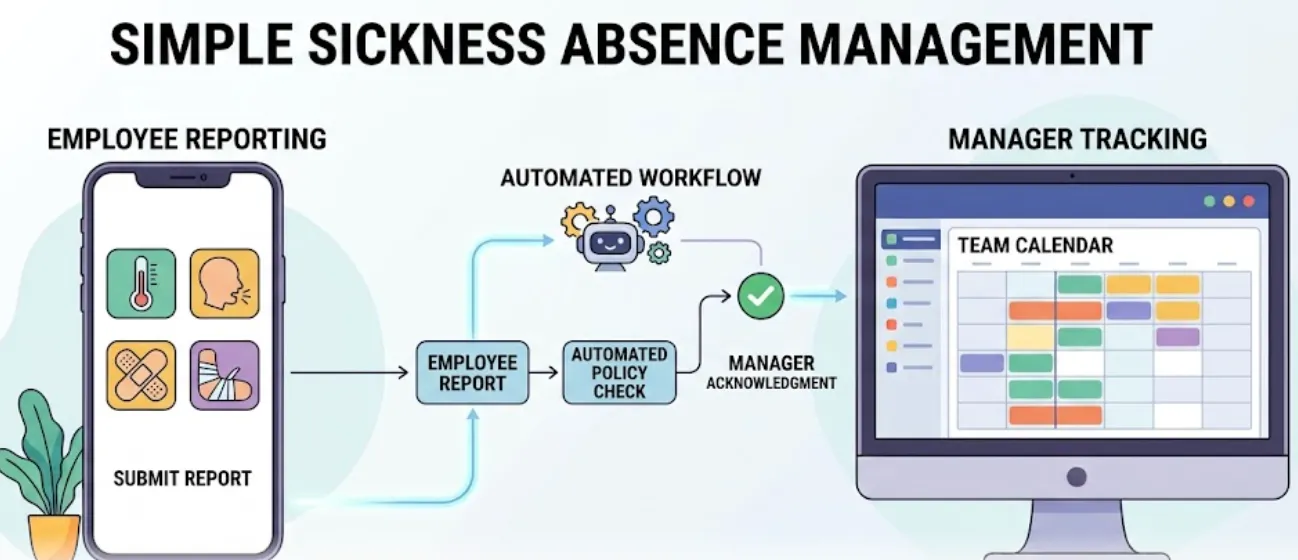

Illustration of a lonely employee overwhelmed by notifications, highlighting ways to support loneliness at work

Loneliness at Work: 5 Ways to Support Employees

Are you worried about your employees experiencing loneliness at work? Read this article to discover actionable ways to support your people.

Illustration of a woman communicating online, representing why workplace wellbeing matters to you

Let's Cut to the Chase: Why Wellbeing Matters to You

Understand why wellbeing should matter to everyone at an organisation - from employees, to managers and the board.

Illustration of an overwhelmed employee showing the need to improve mental health in the workplace

How to Improve Mental Health in the Workplace

Discover 9 ways to improve mental health in the workplace, and help your people perform to their best. Read now.

Illustration of a hand holding a smartphone, representing guidance on working during the menopause

How to Work During the Menopause

Worried about how you will work during the menopause? Read this guide from the experts at Champion Health for support and tips.

Illustration of a person using a phone, representing ways to support an employee with social anxiety

How to Support an Employee with Social Anxiety

Social anxiety at work can be debilitating for many. As a leader, it's crucial you know how to support an employee with social anxiety. Read more.

Illustration of a person messaging on a phone to support a colleague experiencing a crisis

How to Support a Colleague in Crisis

Could you support a colleague going through a mental health crisis? Use the CLASS Approach to support those around you going through a crisis. Find out more.

Illustration of a worried person reflecting on the effectiveness of remote mental health services

How Effective Are Remote Mental Health Services?

Are remote mental health services really effective? To find out, we dived into Mind's Trying to Connect Report. Find out more.

Illustration of an employee communicating online, showing how Strata reduced work-related stress by 68%

How Strata Reduced Work-Related Stress by 68%

For over 100 years, the desire to improve people's lives has driven everything that the team at Strata do. But as their employees navigated an unpredictable and testing time, could they make a measurable difference to their people’s lives?

Illustration showing how S&G Response helped 50% more colleagues access the right support at the right time

How S&G Response Got 50% More Colleagues the Right Help at the Right Time

Find out how partnering with Champion Health enabled the leadership team at S&G to boost employees accessing support by 50%. Read on.

Illustration of an overwhelmed employee trying to implement workplace wellbeing without board buy-in

How on Earth Do I Implement Wellbeing Without Board Buy-In

Find out how to implement an employee wellbeing strategy within your organisation, without buy-in from the board.

Illustration of an overwhelmed employee juggling tasks while experiencing high-functioning depression at work

High-Functioning Depression in the Workplace

High-functioning depression can go unnoticed in the workplace. Learn how to spot the signs, support your employees, and foster a mentally healthy work environment.

Illustration of fearless feedback and how Apple’s workplace culture helps reduce employee anxiety

Fearless Feedback: How Apple’s Culture Turns the Volume Down on Workplace Anxiety

Apple’s Fearless Feedback culture ensures feedback is clear, constructive, fostering an anxiety-free workplace, like adjusting the volume of a car radio to the perfect level. 🔊

Illustration of an employee communicating online, representing support for depression in the workplace

Depression in the Workplace: How to Support Your Employees

Depression in the workplace is common among employees. Discover five actionable ways to support your employees when they need it.

Illustration of an overwhelmed person considering 10 key questions when choosing a wellbeing provider

Choosing a New Wellbeing Provider: 10 Key Questions to Ask

Choosing the right vendor represents a significant commitment. It's not a decision to be taken lightly. Find out the right questions to ask.

Worried person holding their head, representing ways to manage and reduce festive financial stress

5 Ways to Manage & Reduce Festive Financial Stress

Financial wellbeing experts from FinWELL share 5 tips to help employees manage and reduce financial stress during the festive period.